HOW WE BUILD YOUR HOME: THE HUDSON WAY
At Hudson Design and Build we guide you through an experience rooted in care, craftsmanship, and clarity. Here’s what to expect when you build with us.

1. DISCOVERY & DESIGN CONVERSATIONS
We begin with a discovery call to understand your goals, location, land status, timeline, budget range, and the kind of home you want to build.
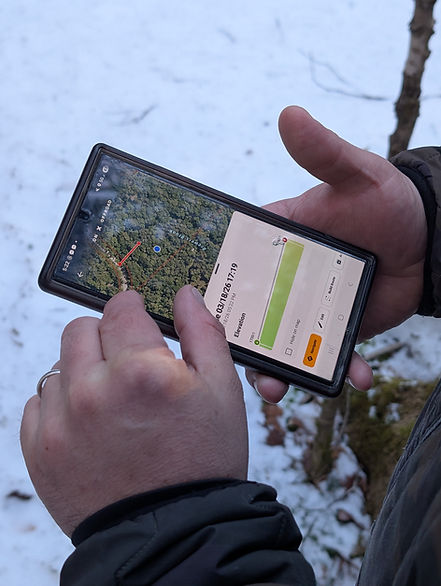
If the project looks like a fit, we may schedule a site visit or courtesy walk of the land to better understand access, views, utilities, drainage, slope, seasonal conditions, and early feasibility.
This first step helps us identify the right path forward. For some clients, that means additional land vetting before design begins. For others, it means moving into Design & Development, where the project is studied in more detail before construction planning begins. During discovery, we focus on:
1. Project Goals We discuss the type of home you want to build, how it will be used, who it needs to support, and what matters most to you.
2. Land and Location We review the property, candidate parcel, or general location, including early considerations around access, utilities, views, drainage, slope, and Vermont specific conditions.
3. Budget and Timeline We discuss early budget expectations, timing goals, and the realities that may influence cost and schedule.
4. Design Direction We begin to understand whether the project may call for a fully custom design process or could benefit from a proven design foundation adapted to your land and life.
5. Fit and Next Steps We determine whether the project is ready to move into Design & Development, whether more land vetting is needed, or whether another path makes more sense.
For common questions about budget, timelines, land, and how our process works, visit our frequently asked questions.
The goal of discovery is to establish fit, align expectations, and identify the right next step before deeper design and planning begin.

2. DESIGN & DEVELOPMENT
Design and Development turns your ideas into a coordinated plan. This phase does not authorize construction. Its purpose is to clarify the site plan, scope, feasibility, design direction, budget, and major decisions before entering a Construction Agreement.
Each phase has clear touchpoints and practical work products that help move the project forward.
-
Phase One - Site Analysis and Due Diligence
We evaluate access, orientation, wastewater feasibility, utilities, grade, drainage, and regulatory factors so you understand key site risks, opportunities, and constraints early.
-
Phase Two - Designer Meeting and Requirements Gathering
We document the full program for your home, including function, lifestyle, flow, aesthetic direction, storage needs, guest needs, exterior living, and Vermont specific details. This becomes the roadmap for design.
-
Phase Three - Schematic Drawings
Your designer creates early layout concepts and massing studies that show the general shape, scale, rooflines, and relationship of the home to the land.
-
Phase Four - Architectural Drawings
Plans, elevations, sections, exterior form, and key details are refined. Timber frame coordination and outside professional coordination are incorporated when relevant.
-
Phase Five - Selections and Budgeting
Interiors, cabinetry, fixtures, lighting, finishes, mechanical and electrical needs, exterior materials, decks, porches, and major site decisions are defined. Hudson develops a transparent cost model so you understand the expected investment before signing the Construction Agreement.

3. CONTRACT SIGNED & PRECONSTRUCTION PLANNING
Once the design direction, scope, selections, and budget model are developed, and you are comfortable moving forward, we prepare the Construction Agreement.
After the Construction Agreement is signed, the project moves into final preconstruction planning. This is where the design work, pricing, permits, trade coordination, long lead materials, and schedule expectations are organized before construction begins.
This phase turns the planning package into a construction ready project. During this stage, we focus on:
-
Construction Agreement We review the final scope, contract terms, project expectations, and budget structure before the build begins.
-
Final Plan Coordination Plans, elevations, details, engineering items, and partner inputs are reviewed and coordinated so the team is working from the right information.
-
Selections Review We confirm key selections, materials, finishes, fixtures, appliances, systems, and any remaining decisions that could affect cost, schedule, or construction sequencing.
-
Permitting and Approvals We coordinate required permits, documentation, and approvals needed before construction can start.
-
Trade Partner Coordination We align subcontractors, vendors, suppliers, and specialty partners so the project is properly planned before work begins in the field.
-
Long Lead Materials We identify and coordinate materials or systems that need early attention, including windows, doors, timber frame elements, cabinetry, mechanical systems, and specialty finishes.
-
Schedule Planning We establish construction sequence, major milestones, anticipated lead times, and early schedule expectations.
-
Buildertrend Setup Project information, documents, schedules, selections, communication, and updates are organized in Buildertrend so the client and team can stay aligned.
Before construction begins, we hold a project kickoff to confirm expectations, communication rhythm, responsibilities, and next steps.
The goal of preconstruction is to start the build with clarity, coordination, and fewer avoidable surprises.

4. CONSTRUCTION & PROJECT MANAGEMENT
Once construction begins, our focus shifts to field execution, schedule coordination, communication, and quality control.
Your Project Manager, Site Superintendent, trade partners, and office team work together to keep the project moving with clear responsibilities and documented communication.
Buildertrend is used as the project hub. Schedules, selections, daily logs, progress photos, documents, change orders, and client updates are organized in one place so everyone is working from the same information.
During construction, we focus on:
-
Field Leadership The Site Superintendent coordinates daily site activity, trade partners, materials, jobsite organization, and field execution.
-
Schedule Coordination We manage the construction sequence, upcoming milestones, trade timing, material lead times, and weather-related adjustments.
-
Client Communication Clients receive regular updates through Buildertrend, including progress photos, schedule information, daily logs, and key project notes.
-
Selections and Decisions We track selections, approvals, and open decisions so the project can keep moving without unnecessary delays.
-
Change Order Documentation Scope changes, pricing updates, and approvals are documented clearly before work proceeds.
-
Quality and Craftsmanship We review work in progress, coordinate details, and maintain the standards expected of a Hudson home.
-
Budget Visibility Project costs, allowances, selections, invoices, and approved changes are tracked so clients understand where things stand.
Construction is where planning becomes reality. Our role is to keep the work organized, the communication clear, and the build aligned with the design intent.

5. FINISHING TOUCHES & PROJECT CLOSEOUT
As construction nears completion, we shift focus to the final details, documentation, walkthroughs, and handoff.
This phase is where the home is reviewed carefully, open items are documented, and the project is prepared for use.
During closeout, we focus on:
1. Final Walkthrough We walk the home with you to review completed work, answer questions, and identify any remaining items that need attention.
2. Punch List Management Open items are documented, assigned, tracked, and completed through an organized closeout process.
3. Final Cleaning and Site Readiness We coordinate final cleaning, site organization, and preparation so the home is ready for handoff.
4. Systems and Home Orientation We review key home systems, maintenance considerations, and important details so you understand how to use and care for the home.
5. Documentation and Warranty Information We organize relevant documents, product information, warranty details, contacts, and project records for future reference.
6. Final Billing and Project Wrap Up Final invoices, approved changes, remaining balances, and closeout items are reviewed and completed.
The goal is a clean, organized handoff with the details addressed, the records in place, and the home ready for long term use.

6. BEYOND THE BUILD
Our care continues long after the keys are handed over.
A well built Vermont home needs to perform through changing seasons, weather, use, and time. After closeout, we remain available as a trusted resource for warranty support, maintenance guidance, future projects, and questions about the home.
Many of our clients come back to us for additional work, referrals, and help coordinating local service providers. When appropriate, we can help connect or coordinate services such as seasonal cleaning, septic service, HVAC maintenance, water softener service, repairs, and other home care needs.
After completion, we focus on:
1. Post Completion Support We remain available to answer questions as you settle into the home and learn how the spaces, systems, and details function in daily use.
2. Warranty Coordination If warranty related items arise, we help review, document, and coordinate next steps with the appropriate team members, trade partners, or suppliers.
3. Seasonal Maintenance Guidance We help clients understand important seasonal considerations, including winter readiness, drainage, exterior materials, mechanical systems, water systems, and long term care.
4. Trusted Local Referrals Clients often ask us who to call for ongoing home services. We are happy to recommend trusted local providers and, when appropriate, help coordinate the first step.
5. Future Project Support As your needs change, we can help with future additions, improvements, repairs, or planning for the next phase of the home.
6. A Lasting Relationship We build homes intended for long term use, and we stay available by phone, text, or email when clients need practical guidance.
The goal is simple: a finished home that is supported, understood, and ready for life in Vermont.
READY TO BUILD YOUR CUSTOM HOME?
If you are considering a custom home in the mountains, the right process matters as much as the final result. Clear scope development, disciplined budgeting, and coordinated construction with care, clarity, and craftsmanship is what we promise.
Complete the project inquiry form below to start the conversation. We will review your goals, timeline, and site details, then outline the next steps for moving forward with confidence.